Akamai’s Clean Energy Impact
100% Renewable
Measuring Impact: The Carbon ROI Metric
In traditional sustainability reporting, all renewable energy is treated equally: One megawatt-hour (MWh) of wind energy equals one MWh of emissionality credit.
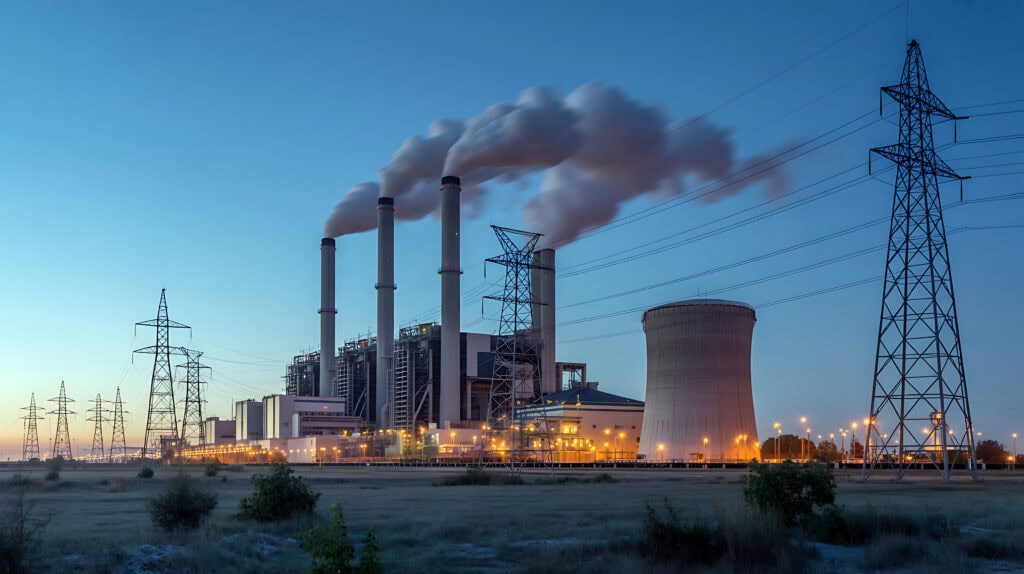
This is a fallacy. A wind farm in a more emissions-intensive grid (like West Virginia) prevents significantly more carbon from entering the atmosphere than a wind farm in a hydro-heavy grid (like Washington state). By treating them as equal, standard accounting incentivizes companies to build projects where it is cheapest, not where it is most necessary.
The Solution: Locational Marginal Emissions (LME)
To break this cycle, Akamai has integrated Locational Marginal Emissions (LMEs) into our procurement strategy, utilizing data from our partners.
How It Works
LME is not a static average; it is a dynamic measurement of the specific power plant that is displaced by our renewable generation. LMEs are an innovative way to measure the metric tonnes of carbon emissions displaced by 1 MWh of clean energy added to the grid at a specific location at one particular time. LMEs are calculated at each power system node like the locational marginal pricing (LMPs) used to set wholesale electricity market prices. LMEs measure emissions by identifying the marginal generators that would have been producing energy if not for the renewable injection to the grid at that location.
- The Mechanism: When our wind turbines spin, they inject power into the grid. The LME calculation identifies exactly which fossil fuel generator (e.g., a specific gas peaker plant) throttles down in response.
- The Result: This allows us to calculate the precise abatement value of every dollar we invest.
Strategic Application: Hunting for Impact
We use LME data as a screening tool for all new virtual power purchase agreements (VPPAs).
- Project Vetting: We analyze potential renewable projects not just on price per MWh, but on carbon avoided per dollar.
- Performance Auditing: We track our active portfolio to ensure we are delivering on our fossil fuel displacement goals. For example, LME reports allow us to see when our wind generation specifically displaces coal generation versus natural gas.
By prioritizing LME over simple volume counting, Akamai ensures that our capital is deployed with precision to the regions where it can do the most good for the global climate.
Akamai’s Active Clean Energy Projects
Understanding our renewable abatement impact helps us to make meaningful progress toward our net-zero goals. With our ongoing incorporation of LMEs into our long-term approach, we can better understand the full impact of our renewable projects based on their hourly displacement over the 8,760 hours in a year. Getting to a highly precise measurement helps us track our progress and be more deliberate in reaching a net-zero future for Akamai.
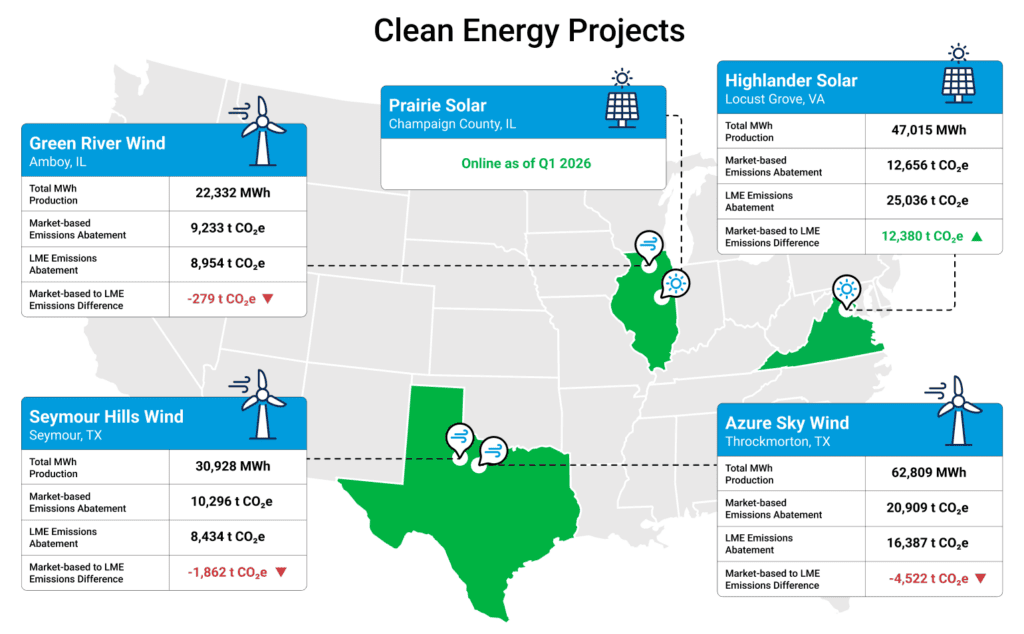
The previous graphic highlights each project’s most recent production. It also includes two different emissions factors, including market-based emissions values based on the project location and generation profile and the LME values, which highlight a closer-to-reality market abatement. Between the market-based emissions factor from the site location and LME values, we highlight the difference between the impact of each applied method. As we continue to form our emissions-first approach, we will look for ways to use innovative emissions abatement measurements, such as LMEs, across our global footprint.
REsurety’s CleanSight platform validates the data that goes into the financial and environmental outcomes of Akamai’s VPPAs. From there, we can confidently report on historical, current, and forecasted metrics like settlement costs, locational marginal emissions, and carbon abatement, all from within the platform. The ability to generate these reports quickly is key. Saving time on auditing data means we spend more time assessing the impact of our renewable energy procurement to date, and setting strategies for achieving our 2030 goal of powering Akamai’s operations with 100% renewable energy.